Planning something permanent, like a tattoo? Ask a native Chinese speaker to look at your name first.
Questions about Chinese name seals
What is a Chinese name seal, or “chop”?
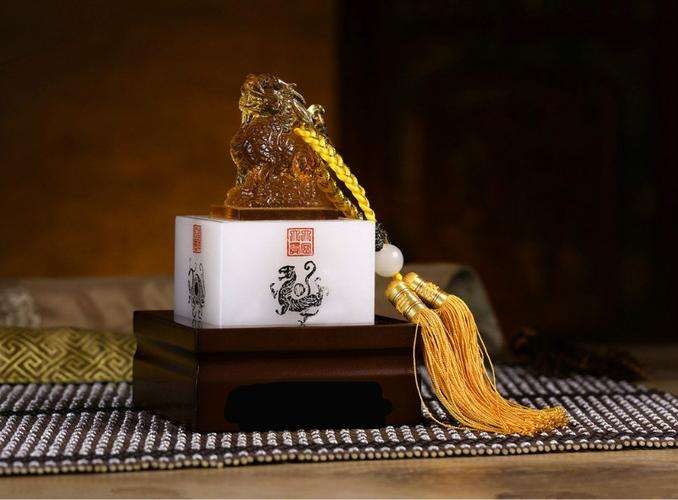
A Chinese seal — 印章 (yìnzhāng), often called a “chop” in English — is a carved stamp printed in red cinnabar paste. In China it works like a signature: for thousands of years officials, artists and ordinary people have stamped one on documents, paintings and letters to say “this is mine”.
How do I get my name in Chinese?
Type your name in Latin letters into the studio above and choose “Find my Chinese name”. You get six suggestions — two standard transliterations and four meaning-based names — each with the pinyin and the meaning of every character. Choose “Carve this name” to put it on a seal.
Is it free?
Yes. Getting a Chinese name, carving a digital seal, downloading it as a PNG and hiding a QR code in it are all free. Only a real stone seal costs money (from US$299).
What is the difference between baiwen (yin) and zhuwen (yang) seals?
Baiwen (白文, “white characters”), also called yin or intaglio, has the characters cut into the stone, so they print white on a red square. Zhuwen (朱文, “red characters”), also called yang or relief, leaves the characters raised, so they print red on the paper. Both are traditional, and many artists keep one of each.
Which script should I choose?
Song is a clear printed style that is easy to read. Brush script looks hand-written. Seal script (篆书 zhuànshū) is the ancient style traditionally carved on seals; it uses traditional character forms, so a simplified name can look quite different.
How does the hidden QR code work?
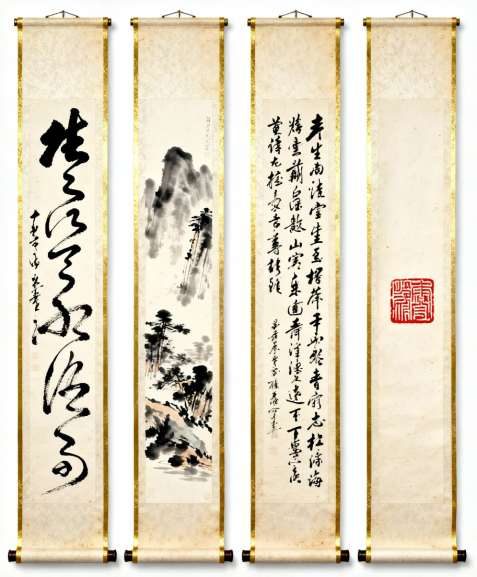
When you switch it on, dots in the seal’s stone texture are arranged so that phone cameras read the seal as a QR code. Scanning it opens the seal’s own ink-landscape scroll with your wish. It scans best from a screen or a printed image; a seal stamped by hand on paper is much harder to scan.
How is a Chinese seal different from a Japanese hanko?
Japanese hanko (also called inkan) come from the Chinese seal tradition. In Japan they are still used every day for banking and contracts, and a person’s official seal is registered with the local government. In China, companies still use official seals, but personal name seals today are mostly used by artists and as keepsakes.
Is a seal made here a legal signature?
No. Seals made here, on screen or in stone, are keepsakes and a way to express yourself — not legal signatures, company seals or proof of identity.
Can I get a real seal?
Yes. A seal carver can carve your design in any of the four famous seal stones — Shoushan, Qingtian, Changhua or Balin — or in crystal, jade or gold, with a hand-carved side inscription, seal paste and a gift box. Shoushan seals start at US$299 including express shipping; other materials, custom sizes and custom knobs are quoted. Reservations are open now; ordering opens in mid-November.
Do you keep the name I type?
The name is sent to an AI model to make suggestions, and the suggestions for each name are cached for 30 days without being linked to you. If you register a seal, we keep its wish and original name so its scroll page can show them. See our Privacy Policy for details.